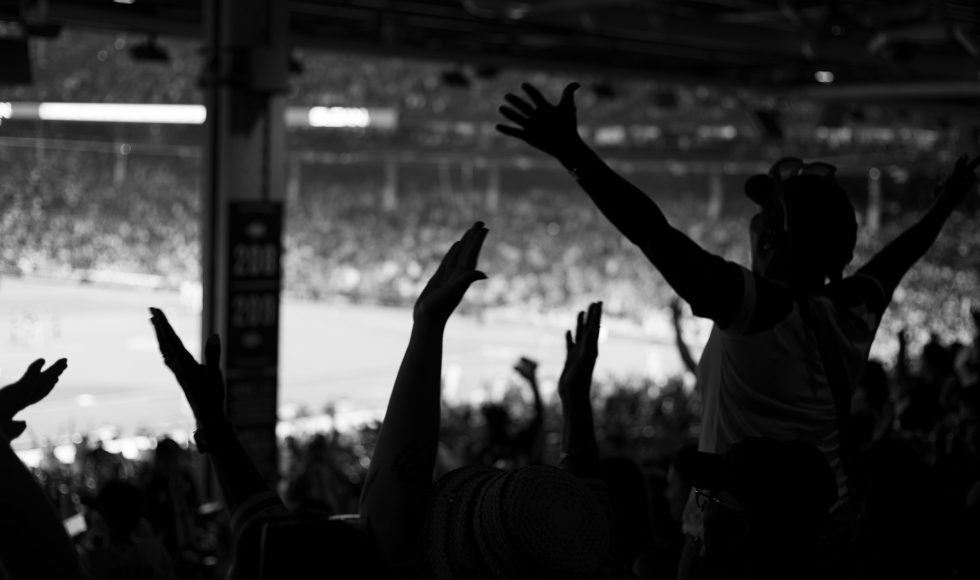
In Newcastle, the NRL Grand Final isn’t just a football game, it’s a community event. Pubs and clubs are packed, screens are glowing, and the atmosphere is electric. Unfortunately, for some patrons, the celebrations spill over into heavy drinking, poor decisions, and sometimes serious harm.
As a criminal lawyer, I see the aftermath: drink driving charges, assaults, and accidents that could have been prevented. But what’s less understood is the legal responsibility that licensed venues have when it comes to intoxicated patrons, and how the law balances personal accountability with venue obligations.
Responsible Service of Alcohol (RSA): More Than a Guideline
Under NSW law, venues must refuse service to anyone who is already intoxicated and may be penalised for failing to do so. This isn’t just about following Liquor & Gaming NSW regulations, it’s about preventing foreseeable harm.
On a day like the NRL Grand Final, where patrons might start drinking at midday and continue into the night, RSA obligations are put to the ultimate test. Bartenders and security staff must monitor behaviour, assess levels of intoxication, and make the call to stop serving alcohol or ask a patron to leave.
When Does Liability Arise?
Courts have found that in some cases, a licensed venue owes a duty of care to protect patrons from harm, whether from their own intoxication or from other patrons. For example:
• If a venue continues to serve a person who is clearly drunk, and that person later suffers injury on the premises, the venue may be liable.
• If a patron is ejected while heavily intoxicated and left without adequate support (such as arranging a taxi or contacting friends), questions about negligence can arise.
However, the High Court has also made it clear that licensees aren’t automatically responsible for everything a patron does after leaving the venue. Personal responsibility still plays a large role, particularly once the patron is off-site. Stay safe and drink in moderation.
CONTACT US
Recent Articles

Bail refused? Baker Love Lawyers can help.
Appealing a licence suspension: What you need to know now