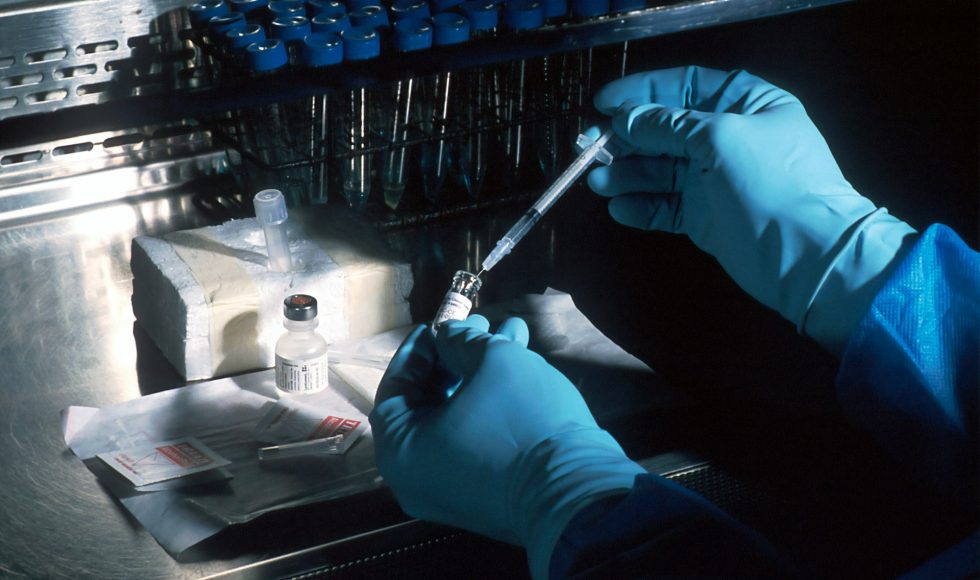
When drafting a Will there are many decisions to be made, whether it be who will receive your assets or who will administer your estate. However, for others there can be more complex decisions to be made, including whether to permit the use of stored reproductive material including embryos, eggs or sperm.
With the number of babies being born through the process of in vitro fertilisation (“IVF”) significantly increasing, it is important for a person who has any stored reproductive material to discuss this with their lawyer.
Consent v Gift
The Assisted Reproductive Technology Act 2007 (NSW) (“ART Act”) regulates the supply, storage, use and export of stored reproductive material held in New South Wales.
The ART Act does not allow for gifting of stored reproductive material, instead directs that a Will maker may give consent to another to deal with the stored reproductive material in written from. This enables a person to retain control over their genetic material.
Whilst a person is alive, their stored reproductive material will be dealt with by the Assisted Reproductive (“ART”) Provider per their consent and in a way consistent with that consent.
The Importance of a Will
The ART Act imposes a specific constraint against posthumous use of a person’s stored reproductive material, unless the deceased person had expressly given consent for the stored reproductive material to be used after death.
One way that a person can ensure that their spouse or de facto can deal with their stored reproductive material post death, is to have a clause specifically drafted in their Will consenting to the use of that material once they have deceased.
The ART Act provides that an ART provider must not provide ART treatment for gametes obtained from a person more than five years prior without taking reasonable steps to establish whether the provider is alive.
It is important to discuss these matters with your ART provider and ensure that all forms and paperwork are up to date.
Conclusion
Therefore, it is important that a person with stored reproductive material to have a Will drafted, including consent for that genetic material to be dealt with by a spouse or de facto post death. Without that express consent, a spouse or de facto may be left without a pathway to be able to obtain or use that material.
If you need assistance drafting or updating your estate documents, please contact our firm to make an appointment with one of our wills and estate lawyers on (02) 4944 3322.
CONTACT US
Recent Family Law Articles

Division 1 of the FCFCOA: Complex and Special Family Law Matters

Childbirth maintenance: The forgotten remedy in family law
The “Bank of Mum and Dad” and Family Law: Lessons from Han & Han [2026] FedCFamC1A 54